
Prenatal Chiropractic Care in Bradley, IL
Gentle, experienced support for your spine and pelvis through every trimester — so pregnancy is more comfortable, and your body is ready for what comes next.
Why Pregnancy Puts Unique Demands on Your Spine and Pelvis

Pregnancy changes everything. And we mean that literally, not just emotionally.
From the first trimester through delivery, your body shifts. This places mechanical stress on your spine, pelvis, and hips. Your center of gravity moves forward as your belly grows. Your lower back curves more, and the pelvis begins to tilt. Ligaments loosen due to relaxin, a hormone necessary for birth, but also making joints less stable. We see this pattern every week. It's not a flaw in the process, just a lot for one body to handle at once.
The sacroiliac joints experience significant strain during pregnancy. These joints, located on either side of your lower back, connect the pelvis to the spine. When they shift out of alignment, even slightly, discomfort can spread quickly. This may lead to round ligament pain, hip tightness, or sciatica-like shooting sensations down the leg. Patients often describe a sharp catch when rolling over in bed, or an ache that builds after standing for more than twenty minutes. That's usually what's happening underneath.
Here's what matters most. Pelvic misalignment doesn't just cause pain. It can also affect the space available for the baby to move and position properly before birth. The Webster Technique is a specific chiropractic protocol used during pregnancy. It is designed to reduce tension in the pelvis and surrounding soft tissue. It's estimated that between 50-70 percent of all expecting mothers experience low back pain during pregnancy, according to the American Pregnancy Association [1].
Here are some of the biggest pain issues:
- Forward pelvic tilt from increased abdominal weight
- Increased lumbar curve causing lower back compression
- Loosened ligaments reducing joint stability throughout the pelvis
- Postural compensations that strain the mid-back and shoulders
None of this means something is wrong with your pregnancy. But your spine does need support. We offer that support throughout every trimester.
The Webster Technique — What It Does and What It Doesn't
Many moms come in having heard about the Webster Technique. They don't always know what it is.
The Webster Technique is a specific chiropractic analysis and adjustment designed for pregnant patients. It focuses on the sacrum, the triangular bone at the base of your spine, as well as the surrounding soft tissue and ligaments. The goal is to reduce tension and imbalance in the pelvis. We see this every week — moms in their second or third trimester come in with deep, aching pelvic pressure that makes everything harder.
Here's what the technique does:
- Analyzes the sacrum for misalignment or restriction
- Adjusts the joint to restore balanced movement
- Releases tension in the round ligaments that support the uterus
- Reduces stress on the muscles and soft tissue around the pelvis
When the pelvis is balanced, your body has more room to function as it should. Babies also have more room to move freely — and this matters a lot in the third trimester.
Now, here's what it doesn't do. The Webster Technique is not a baby-turning procedure. We want to be clear that it doesn't manually move or reposition a baby. Instead, it removes tension and structural interference that may limit the baby's ability to find its own position. Per the International Chiropractic Pediatric Association, this technique seeks to normalize pelvic motion and to reduce the biomechanical dysfunction of pregnancy, especially at the sacral joints and pelvis itself [2].
Our team is certified in the Webster Technique, which means we've completed specific training beyond general chiropractic education. The adjustments are gentle, and you won't be lying flat on your stomach — we use special positioning to keep you comfortable throughout the visit.
If your baby is in a less-than-ideal position, or if pelvic pain makes daily life hard, the Webster Technique is worth discussing. It's one of the most well-supported tools we use in prenatal chiropractic care, and for many of our patients, it makes a real difference.
Dealing with pelvic pressure, round ligament pain, or hip discomfort during pregnancy? Our certified Webster Technique team in Bradley is here to help.
BOOK YOUR APPOINTMENTWhat Your First Prenatal Chiropractic Visit Looks Like
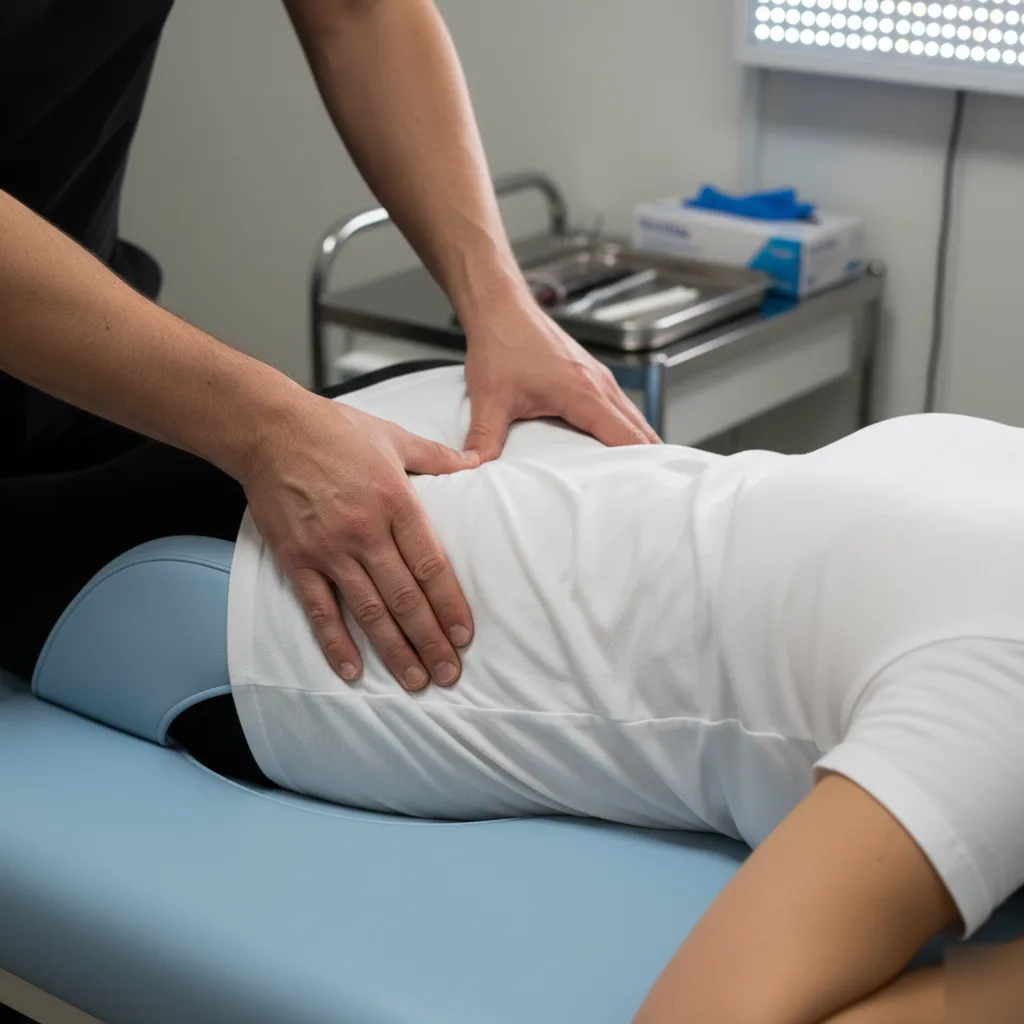
Many moms come in not knowing what to expect. That's completely normal, and we want to walk you through it before you even arrive.
When you arrive at our office, we start with a conversation — not just a clipboard and a waiting room. We want to know where you are in your pregnancy, what's bothering you, and what your goals are. Maybe it's low back pain that started around week 20. Or you can't sleep because of hip pressure. Maybe your OB mentioned positioning concerns. We listen first to all of your concerns.
From there, we do a gentle postural assessment. We look at how your pelvis is sitting, how your spine is aligned, and where tension is building. We don't take X-rays or use aggressive testing during pregnancy — just a careful, hands-on look at what your body is telling us.
Then comes the adjustment itself. Here's what often surprises first-timers:
- The table is specially designed with a drop section for your belly, allowing you to lie face down comfortably even in the third trimester
- The pressure we use is much lighter than a standard chiropractic adjustment
- Most women say it feels like a relief, not a procedure
After the adjustment, we talk through what we found and what we recommend going forward. Some patients come in once a week during the third trimester, others come monthly — the frequency depends on your body and individual needs.
You won't leave confused. You'll leave knowing exactly what's going on and what comes next. The whole first visit usually runs about 45 to 60 minutes. Wear something comfortable so you can move in, and bring your prenatal care records if you have them handy.
Trimester-by-Trimester Guide to Prenatal Chiropractic Frequency
How often you come in really depends on where you are in your pregnancy. We see moms at every stage, and their needs shift a lot from the first trimester to the third. Here's how we typically approach it.
First Trimester
Your body is changing fast, but the physical strain is mostly internal right now. Hormones are loosening your ligaments, nausea can affect your posture, and fatigue makes everything feel harder. Most women in the first trimester do well with one visit every three to four weeks. Starting early gets ahead of problems rather than reacting to them.
Patients who begin care during the first trimester tend to have a smoother second half of pregnancy — their bodies are already adapting well before the weight and pressure truly increase.
Second Trimester
This is when most women start to feel the physical load. Your belly is growing, your center of gravity is shifting, and your lower back is working overtime. Round ligament pain and hip discomfort can become more noticeable. For most patients in the second trimester, we recommend visits every two to three weeks.
If you're on your feet a lot, working long shifts, or chasing other children, you may need to come in more often. Your body will communicate its needs, and we help you listen to it.
Third Trimester
The third trimester is where prenatal chiropractic care does some of its most important work. The baby is bigger, the pressure on your pelvis is constant, and sleep can become harder to come by. We typically move to weekly visits starting around week 34 or 35.
Our team is trained in the Webster Technique, which focuses specifically on pelvic alignment during this stage. Patients often tell us the third trimester is when they feel the biggest difference from consistent care — less pelvic pressure, better sleep, and a body that feels ready for labor rather than already worn out.
Every pregnancy is unique, and we adjust the schedule as your needs evolve.
Ready to feel more comfortable in your own body through the rest of your pregnancy? Our Bradley team is here — call or book online today.
☎ (815) 802-0377Pairing Prenatal Chiropractic Care with Prenatal Massage at One Bradley Location
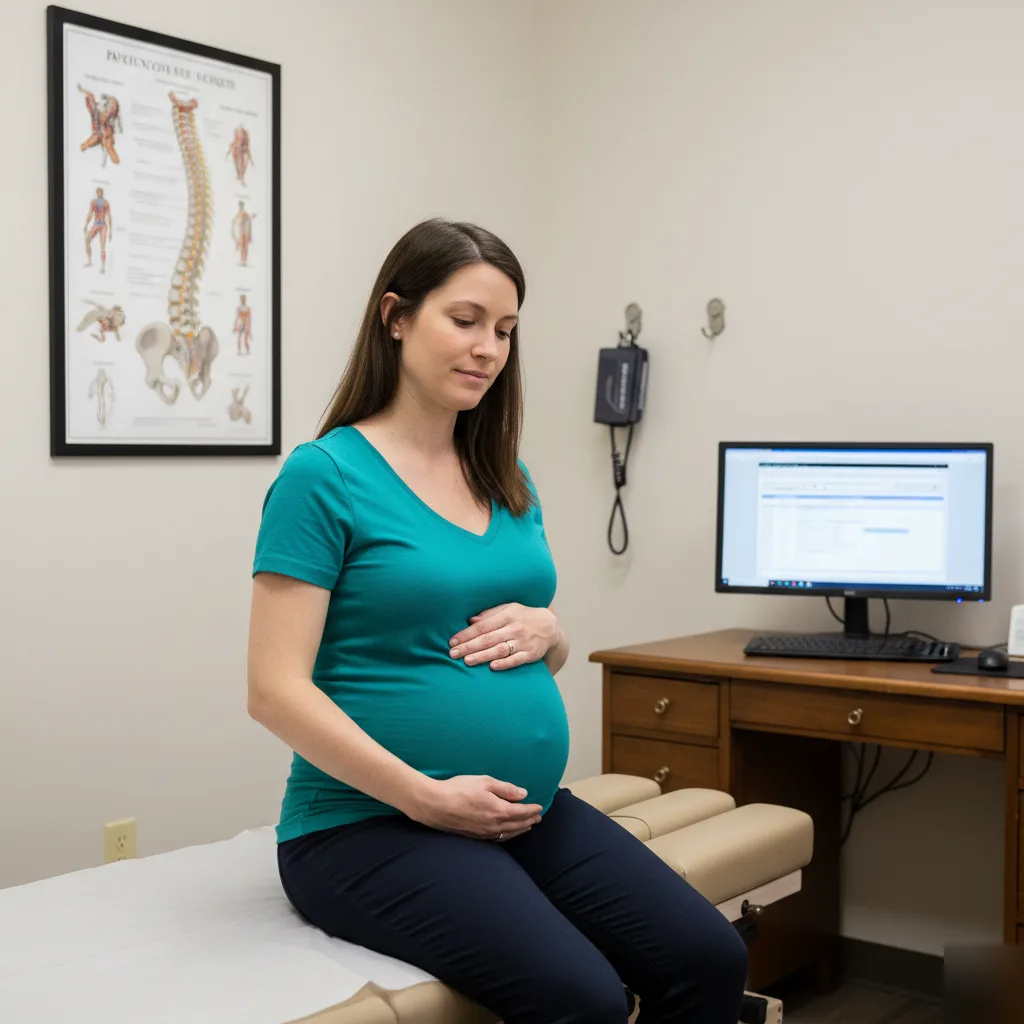
Many of our expecting moms come in for one service and leave realizing they needed both.
Prenatal chiropractic care realigns the pelvis and spine — it takes pressure off the joints and nerves that get compressed as your body shifts and grows. Muscle tension is a different concern, often showing up as tight hips, sore glutes, and aching shoulders from postural changes. That's where prenatal massage helps. The two services don't just coexist — they actually enhance each other's effectiveness.
Here's what we see every week. A patient gets adjusted, and her pelvis is in a much better position. The muscles around it may still be pulling hard from weeks of compensation. The adjustment holds longer when the surrounding tissue isn't fighting it, and the massage goes deeper when the joints aren't locked up. One treatment supports the other.
When both services happen under the same roof, we can coordinate your care. Our team knows what was addressed in your adjustment — which means the massage therapist isn't guessing. She knows which areas need extra attention and which ones need to be approached gently. This coordination matters, especially during pregnancy when your body is changing fast.
What expecting moms in Bradley most commonly report when combining both services:
- Less low back and hip pain between visits
- Better sleep because they're not waking up stiff or sore
- Reduced swelling in the legs and feet
- A general sense of calm that carries into the next day
That last one isn't just a nice bonus. Stress during pregnancy is real, and it's physical as much as it is emotional. Prenatal massage helps regulate the nervous system, and chiropractic care does too. Together, they give your body a real chance to recover between sessions.
We're close to the Riverdale Road corridor. This makes it easy to reach for many area residents. We keep our schedules flexible because you're already juggling a lot. If you want to try both services in one visit, we can usually make that work.
You shouldn't have to drive to two different places to take care of yourself and your baby. We offer both services here. Explore our full range of chiropractic options in Bradley or give us a call today.
Citations
[1] American Pregnancy Association. "Back Pain During Pregnancy." https://americanpregnancy.org/pregnancy/back-pain-during-pregnancy/
[2] International Chiropractic Pediatric Association. "Webster Technique." https://icpa4kids.com/media/1160/webster_technique.pdf
Frequently Asked Questions
Common questions about prenatal chiropractic care from expecting mothers in Bradley and the Kankakee area.
Is prenatal chiropractic care safe during the first trimester?
Yes, prenatal chiropractic care is safe throughout all three trimesters, including the first. Many moms in Bradley start coming in early, before the discomfort gets bad. Early care helps your pelvis stay balanced as your body begins to change. The adjustments are gentle and use light pressure. We never put you in a position that's uncomfortable for your belly. Starting early also means we catch small alignment issues before they become bigger problems later in pregnancy.
What should I bring or wear to my first prenatal chiropractic appointment in Bradley?
Wear comfortable, stretchy clothing you can move easily in — loose pants and a soft top work best. You don't need to bring anything special to your first visit. We'll ask about your pregnancy history, any symptoms you're having, and what your OB has said. If you have recent prenatal records or notes from your midwife, those are helpful but not required. The most important thing is just showing up ready to talk.
How many visits does it usually take before I feel relief from pelvic pain?
Most patients in Bradley notice a difference within two to four visits. That said, it depends on how far along you are and how long the misalignment has been there. Moms who come in early in their second trimester often respond faster than those who've been dealing with pain for weeks. We reassess your progress at each visit and don't keep you coming in longer than needed. The goal is to get you comfortable and keep you that way through delivery.
Can I see a prenatal chiropractor if my OB or midwife hasn't specifically recommended it?
Yes, you don't need a referral to start prenatal chiropractic care in Bradley. Many of our patients come in on their own after a friend or family member recommended it. That said, we always encourage you to let your OB or midwife know you're receiving chiropractic care. Most providers are supportive, especially when they hear you're working with someone certified in the Webster Technique. Open communication between your care team is always a good idea during pregnancy.
Will the Webster Technique actually move my baby into a better position?
No, the Webster Technique does not manually move or reposition your baby. What it does is reduce tension and imbalance in your pelvis and the surrounding ligaments. When that tension is released, your baby has more room to move freely on their own. Many moms in Bradley come in after being told their baby is in a less-than-ideal position — and this is often why their provider or doula suggested chiropractic care. The technique supports your body's ability to function well; it doesn't force anything.
Is it normal to feel sore after a prenatal chiropractic adjustment?
Mild soreness after your first couple of visits is normal and usually fades within a day. Think of it like how your muscles feel after gentle stretching you haven't done in a while. Most moms in Bradley describe their first adjustment as a relief, not something that leaves them hurting. If you feel more than mild soreness, or if anything feels off, call us right away. We adjust our approach based on how your body responds, especially as your pregnancy progresses.
Your Body Is Doing Something Remarkable — Support It
Pregnancy is hard enough without back pain, pelvic pressure, and sleepless nights making it harder. Serenity Health is right here in Bradley with gentle, certified prenatal chiropractic care ready when you are.
Office: 535 E. North St., Suite A, Bradley, IL 60915
Call 815-614-3073
Email: [email protected]
Site: www.tryserenity.com