
Radiofrequency Therapy in Bradley, IL | Serenity Health & Body
Targeted relief for chronic nerve pain — without surgery, without downtime, and without guessing which treatment to try next.
How Radiofrequency Therapy Calms Nerve Pain Without Surgery
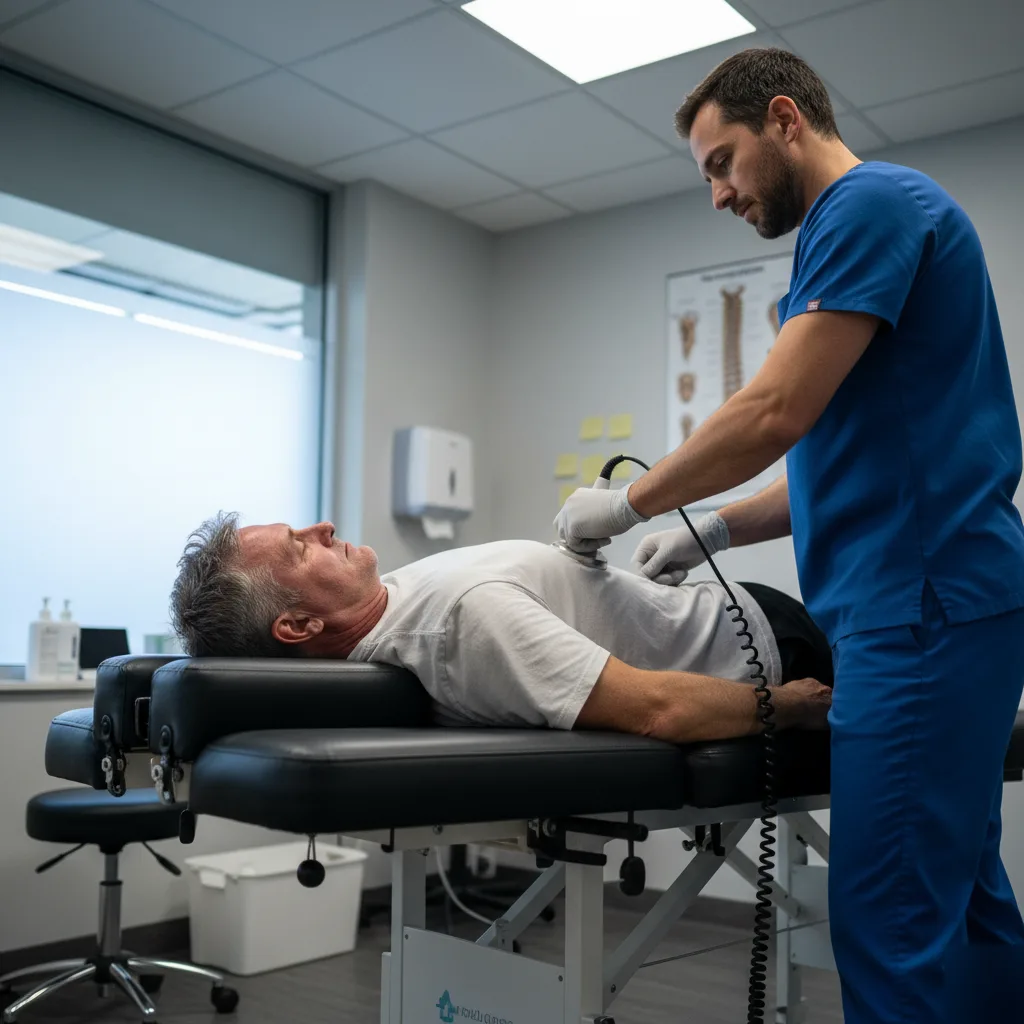
Many patients arrive after months of living with nerve pain. They've tried rest, they've tried medication, and nothing's really stuck. That's exactly where radiofrequency therapy tends to change things.
Here's what's actually happening during treatment. We use carefully controlled radio waves to generate gentle heat around a specific nerve. That heat interrupts the nerve's ability to keep sending pain signals to your brain. No cutting. No recovery room. Just targeted relief at the source.
We see this regularly in Bradley — people who assumed surgery was their only option, and it just wasn't.
The nerves most commonly treated include:
- Facet joint nerves along the spine, especially in the lower back and neck
- Nerves involved in sciatica and radiating leg pain
- Irritated nerves contributing to chronic headaches
- Peripheral nerves causing localized joint or soft tissue pain
So why does this work better than just numbing the pain? Because we're not masking anything. We're actually reducing the nerve's ability to fire that pain signal. According to the International Association for the Study of Pain, disrupting nerve conduction at the source is one of the most effective ways to manage chronic musculoskeletal pain long-term [1].
Results don't always happen overnight — many patients notice meaningful improvement within two to three weeks after their session. One thing we tell folks in Bradley all the time: this isn't a one-size-fits-all treatment. We look at exactly where your pain is coming from before we ever start. If we're treating the wrong nerve, we're wasting your time, and we don't do that.
But when we get it right, the relief can last months. Some patients go well over a year before they need a follow-up. That kind of break from constant pain isn't just physical — it changes how people sleep, move, and feel day to day.
Conditions Radiofrequency Therapy Treats at Our Bradley Office
Plenty of patients walk in not knowing exactly what's wrong. They just know something hurts, and it's been hurting for a while. That's where radiofrequency therapy tends to shine — because it works on the nerve signals driving that pain, not just the surface of it.
We see this every week in Bradley. Someone's been managing a bad knee or a stiff lower back for months, tried everything, and nobody's really gotten to the root of it. Radiofrequency therapy gives us a different tool to work with.
What We Commonly Treat
Here's an honest look at the conditions our team addresses most often with radiofrequency therapy:
- Chronic low back pain, especially when it flares with sitting or standing too long
- Neck pain and stiffness that won't quit after chiropractic adjustment alone
- Facet joint pain from arthritis or spinal degeneration
- Sciatica and nerve-related leg pain running down from the hip
- Knee pain tied to osteoarthritis or joint inflammation
That list isn't exhaustive. We also use it for shoulder pain, headache patterns that connect to the cervical spine, and post-injury nerve sensitivity that lingers long after the original damage heals.
Patients from all over Bradley often arrive after trying other approaches first — and that's not a problem. Radiofrequency therapy works well as a stand-alone treatment and even better when it's part of a broader care plan that might include chiropractic adjustment, dry needling, or therapeutic ultrasound.
The key is figuring out whether your pain is being driven by nerve activity that radiofrequency therapy can actually interrupt. Not every condition fits, we'll be straight with you about that. But when it does fit, results can be dramatic and lasting in ways that other treatments don't always deliver.
If you're dealing with pain that keeps coming back no matter what you try, that's usually a sign the underlying nerve signal hasn't been addressed. Contact our chiropractic team at Serenity Health & Body to walk through your history and help you figure out whether this is the right next step for you.
Pain that keeps coming back despite other treatments? Radiofrequency therapy may be the tool that actually addresses the nerve signal driving it.
BOOK YOUR APPOINTMENTWhat Happens During a Radiofrequency Therapy Session

First-time patients are often nervous because they don't know what to expect. That's completely normal, and we walk every patient through it before we start.
When you arrive at our Bradley office, the first thing we do is take a few minutes to talk. Where's the pain? How long has it been there? What makes it worse? We're not rushing you onto a table — understanding your situation is part of the work.
Once we know what we're targeting, here's how a typical session goes:
- You get comfortable on the treatment table, usually face-down or on your side depending on the area we're treating.
- We apply a small amount of conductive gel to the skin over the target area.
- The radiofrequency handpiece is placed gently against your skin and moved in slow, controlled passes.
- We monitor your feedback the whole time, adjusting intensity based on what you're feeling.
- After the passes are complete, we remove the gel and check in with you about how the area feels.
Most sessions run between 20 and 40 minutes. The sensation is often described as a deep, warming feeling — not sharp or uncomfortable. Some patients tell us it actually feels relaxing once they settle in. People expect it to hurt, and they're surprised when it doesn't.
The radiofrequency energy works below the surface of the skin, reaching the tissue where pain and tension actually live. That's why the results tend to last longer than surface-level treatments.
After your session, there's no downtime required. Most patients in Bradley go right back to their day. You might notice some mild warmth or flushing in the treated area — that's normal and fades quickly. We'll give you simple aftercare guidance before you leave so you know exactly what to watch for. And if you have questions mid-session, just say something. Our team adjusts in real time.
Radiofrequency Therapy as Part of a Full Chiropractic Care Plan

Radiofrequency therapy doesn't work in a vacuum. That's one of the things we tell every patient who comes in asking about it — because the results are so much better when it's part of a bigger picture.
Here in Bradley, we see a lot of people who've tried one thing at a time. A massage here, a chiropractic adjustment there. There's nothing wrong with any of it, but when you layer these treatments together with intention, that's when people really start to feel different. Radiofrequency therapy is excellent at calming irritated nerves and reducing deep tissue inflammation. But if the joint mechanics are still off, or the muscles around the spine are still guarding, you're only solving part of the problem.
Here's how we typically build it into a care plan:
- Start with a holistic health assessment to understand what's actually driving your pain.
- Use chiropractic adjustments to restore proper joint movement and alignment.
- Apply radiofrequency therapy to reduce nerve irritation and inflammation in the affected area.
- Support recovery with deep tissue massage or myofascial release to loosen surrounding tissue.
- Reinforce progress with wellness coaching and lifestyle guidance so results hold longer.
We've worked with patients from neighborhoods all across Bradley dealing with chronic sciatica, herniated discs, and long-standing neck pain that hadn't responded to anything else. When radiofrequency therapy is added at the right point in a care plan, most of them notice a real shift — not just temporary relief.
That's the difference between treating a symptom and treating a person. We're licensed and trained to coordinate these therapies together, which means we're watching how your body responds at every step. If something needs to be adjusted, we adjust it. We're not locked into a script, and we're not going to keep doing something that isn't moving you forward.
Radiofrequency therapy is one strong tool in that process — it's rarely the only one we reach for.
Ready to find out if radiofrequency therapy fits your situation? Our Bradley team will walk you through your history and give you a straight answer.
☎ (815) 802-0377Who Is a Strong Candidate for Radiofrequency Therapy
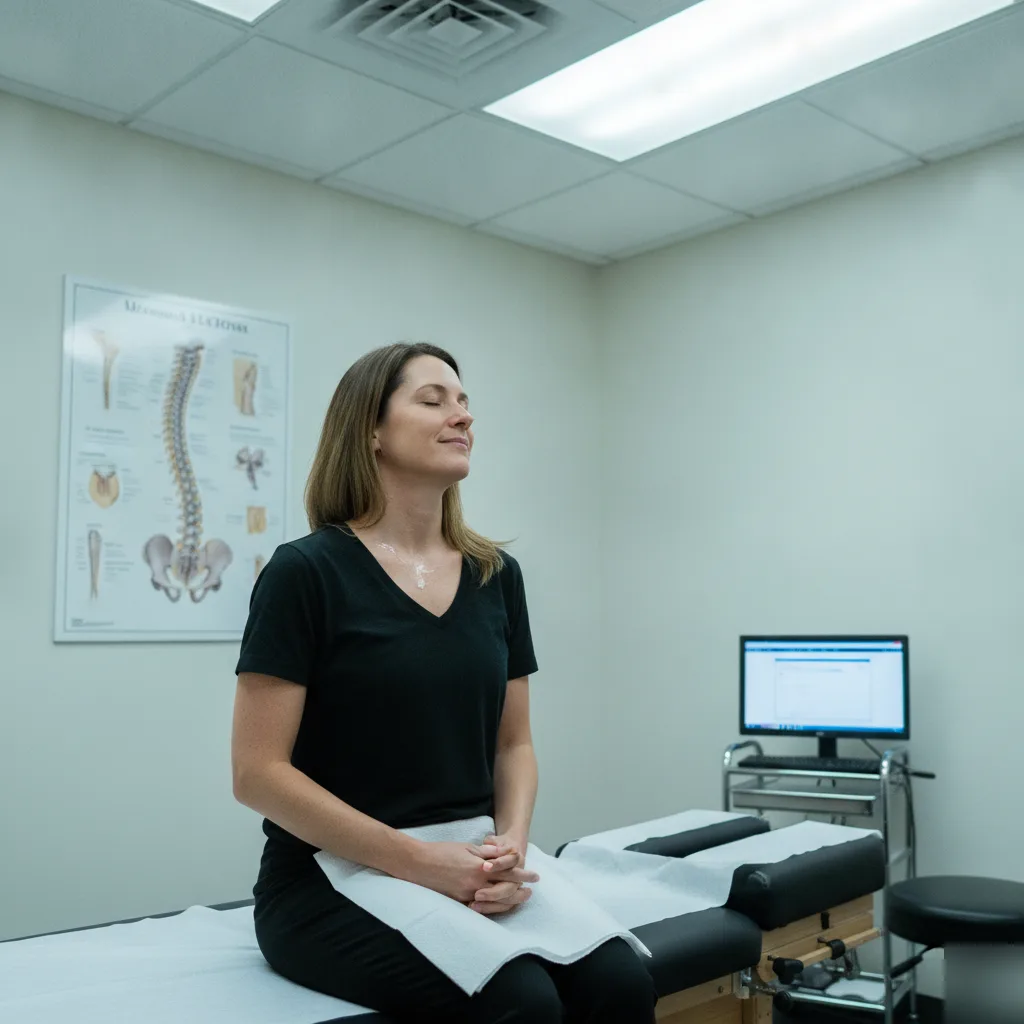
Not everyone who walks through our door in Bradley needs radiofrequency therapy. But for the right person, it's genuinely one of the most effective tools we have.
The people who respond are usually dealing with chronic pain that hasn't budged despite other treatments. We see this every week — someone's tried massage, tried adjustments, maybe even done a round of physical therapy, and the pain keeps coming back. That's often the person radiofrequency therapy was built for.
Here's what tends to make someone a strong fit:
- Chronic joint or nerve pain lasting more than three months
- Back or neck pain that flares up repeatedly in the same spot
- Arthritis-related discomfort that limits daily movement
- Pain that responds well to heat but doesn't hold relief for long
- Patients who want to reduce reliance on pain medication
Age isn't usually a barrier. We work with patients across a wide range right here in Bradley — from active adults in their 30s dealing with sports-related wear to older patients managing long-term joint degeneration. What matters more than age is the nature of the pain and how the tissue responds to treatment.
There are some situations where we'd steer someone toward a different approach. Patients who are pregnant, have certain implanted devices, or have active infections near the treatment area wouldn't be good candidates. We always do a thorough intake before recommending anything.
One scenario we hear a lot: someone has been managing low back pain for years — functioning but never fully comfortable, adjusting their whole life around it. That's exactly the kind of chronic, stubborn pain radiofrequency therapy targets.
The way to know if you're a candidate is just to come in. Our licensed team will look at your history, talk through your symptoms, and give you a straight answer. No guessing, no pressure — just a clear picture of whether this is the right fit for you.
Citations
[1] International Association for the Study of Pain. "Preventing Pain: An Introduction." https://www.iasp-pain.org/resources/fact-sheets/preventing-pain-an-introduction/
Frequently Asked Questions
Common questions about radiofrequency therapy from our patients in Bradley and the Kankakee area.
How long does relief from radiofrequency therapy actually last?
Most patients in Bradley get meaningful relief that lasts several months, and many go well over a year before needing a follow-up. Results aren't instant — most people notice real improvement within two to three weeks after their session. That timeline can feel slow, but the relief tends to be deeper and longer-lasting than what you'd get from repeated medication or surface treatments. When we treat the right nerve, we're not just covering the pain up — we're reducing its ability to fire at all.
Is radiofrequency therapy painful during the session?
No — most patients in Bradley are genuinely surprised by how comfortable it feels. The sensation is usually described as a deep, warming feeling, not sharp or intense. We apply conductive gel to your skin, move the handpiece in slow passes, and adjust intensity based on your feedback the whole time. Some people actually find it relaxing once they settle in. Sessions typically run 20 to 40 minutes, and there's no downtime afterward. You can go right back to your normal day when you leave.
How do you know which nerve to target before starting treatment?
We always review your full pain history before we touch anything. Where the pain is, how long it's been there, what makes it worse — all of that tells us which nerve is actually driving the problem. If we treat the wrong nerve, we're wasting your time, and we won't do that. For Bradley patients dealing with chronic low back pain or sciatica, the facet joint nerves or lumbar nerve roots are often the right target. Getting that part right is what makes the difference between real relief and no change at all.
Can radiofrequency therapy help if I've already tried chiropractic care and it didn't fully work?
Yes, and this is actually one of the most common situations we see at our Bradley office. Chiropractic adjustment works well for structural issues, but if an irritated nerve is still firing pain signals, the relief often doesn't stick. Radiofrequency therapy targets that nerve activity directly. It works well on its own and even better when it's part of a broader plan that includes chiropractic, dry needling, or therapeutic ultrasound. Having tried other treatments first doesn't disqualify you — it just helps us understand what's still not resolved.
What should I do to prepare for my first radiofrequency therapy appointment in Bradley?
There's no complicated prep required. Wear comfortable clothing that gives easy access to the area being treated — loose pants for lower back or hip pain, for example. When you arrive, we'll spend a few minutes talking through your history before anything else happens. You won't be rushed onto the table. After the session, mild warmth or flushing in the treated area is normal and fades quickly. We'll go over simple aftercare guidance before you leave so you know exactly what to expect heading home.
Does radiofrequency therapy work for nerve pain that has lingered long after an old injury?
It can work very well for that. Post-injury nerve sensitivity that sticks around long after the original damage heals is one of the patterns we treat regularly in Bradley. The nerve gets stuck in a cycle of firing pain signals even when the tissue has recovered. Radiofrequency therapy interrupts that cycle at the source. If your pain keeps coming back no matter what you try, that's usually a sign the underlying nerve signal hasn't been addressed yet — and that's exactly what this treatment is designed to reach.
Chronic Nerve Pain Doesn't Have to Be Your Normal
If you've been adjusting your life around pain that keeps coming back, it's time to address the nerve signal driving it. Serenity Health & Body is right here in Bradley — no long waits, no guesswork, just a clear plan built around what your body actually needs.
Office: 535 E. North St., Suite A, Bradley, IL 60915
Call 815-614-3073
Email: [email protected]
Site: www.tryserenity.com