
Sciatica Pain Relief in Bradley, IL
That burning, shooting pain down your leg has a cause — and it's not something you just have to live with. We find the root of it and treat it directly.
How Providers Confirm Sciatica Before Treatment Begins
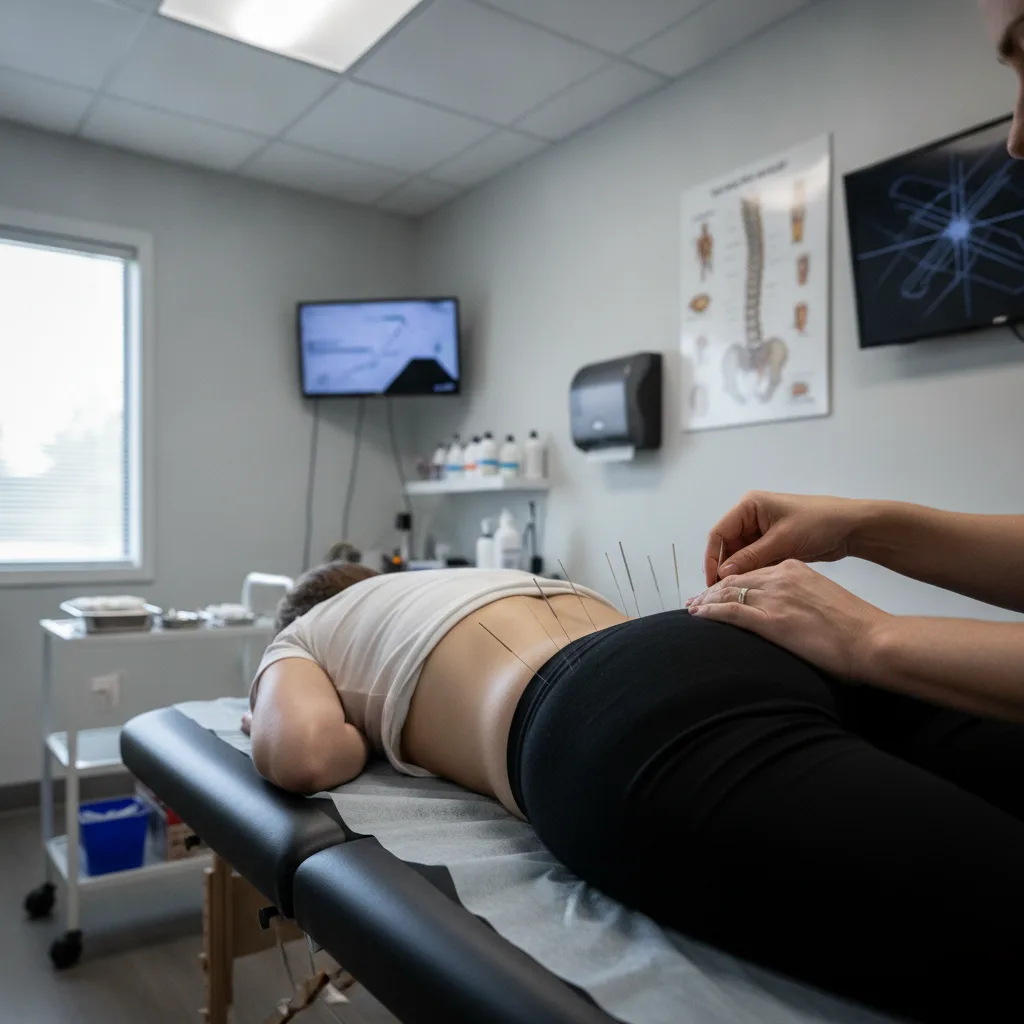
A lot of people walk into our office in Bradley already convinced they have sciatica. And most of the time they're right. But "most of the time" isn't good enough when we're talking about your spine.
We don't guess. We confirm.
The first thing we do is sit down and talk. Where exactly does the pain start? Does it shoot down one leg or both? Is it a burning feeling, a sharp jolt, or more of a deep ache that won't quit? We hear a lot of people describe waking up fine and then feeling that familiar electric zing the moment they bend to put on their shoes. That detail matters.
After the conversation, we move into a physical exam. We're checking a few specific things:
- Straight leg raise test, which puts tension on the sciatic nerve to reproduce symptoms
- Muscle strength in your legs, hips, and feet
- Reflex testing at the knee and ankle
- Sensation along the back of the leg and into the foot
These tests tell us which nerve root is likely involved and how irritated it actually is. The pattern almost always points us in the right direction before we ever look at imaging.
Sometimes imaging is the next step. If your symptoms are severe, if nothing is improving, or if we suspect a herniated disc is pressing directly on the nerve, we'll refer you for an MRI or X-ray. We coordinate closely with imaging centers to keep things moving quickly.
According to the American Medical Association, sciatica affects up to 40% of people at some point in their lives [1]. So you're not alone, and you're not imagining it.
Confirming sciatica isn't just about ruling out something worse. It's about knowing exactly what we're treating so we don't waste your time. The right diagnosis on day one means the right care on day two.
Why Sciatica Keeps Coming Back Without Root-Cause Care
We hear this story constantly. Someone comes in after months of managing sciatica on their own — stretching, resting, maybe taking something for the inflammation — and they feel better for a little while. Then it comes roaring back. Sometimes worse than before.
Here's what most people don't realize. Sciatica isn't a condition by itself. It's a symptom. The burning, shooting pain down your leg is your body telling you something is pressing on or irritating the sciatic nerve. If you only treat the pain, you're ignoring what's actually causing it.
The most common root causes we find in our Bradley patients include:
- A herniated or bulging disc putting direct pressure on the nerve
- Piriformis muscle tightness that traps the nerve deep in the hip
- Spinal misalignment shifting load onto the wrong structures
- Prolonged sitting habits that compress the lumbar spine over time
Each of these needs a different approach. Treating a piriformis problem the same way you'd treat a disc issue won't get you far. That's why we start with a thorough assessment before we do anything else.
And this is where a lot of people get stuck. They get temporary relief, stop care, and then three months later they're back at square one. The underlying problem never got addressed — it just quieted down for a bit.
We hear the same story over and over from patients who've done ice, heat, and rest and tried every stretch they found online. Without addressing the mechanical reason the nerve is being irritated, none of that sticks long-term.
Root-cause care means we're not just chasing your pain. We're looking at your spine, your posture, your muscle balance, and how everything connects. That's the difference between feeling better for two weeks and actually getting your life back.
Tired of the same cycle of temporary relief? We'll find what's actually driving your sciatica and build a plan that addresses it.
BOOK YOUR APPOINTMENTThe Multi-Modality Treatment Approach at Serenity Health & Body

Sciatica pain relief isn't a one-size-fits-all situation. Time and again, someone comes in after months of trying just one thing, and they're frustrated because nothing's stuck. The sciatic nerve doesn't get irritated for just one reason, and it doesn't heal from just one approach either.
Our team combines multiple therapies in a single care plan built around what your body actually needs. Not a template. A real plan based on where your pain is, what's driving it, and how your body's responding.
Here's how we typically layer treatment for sciatica:
- Chiropractic adjustment to correct spinal alignment and take pressure off the nerve root
- Deep tissue massage to release tight muscles, especially the piriformis, that can clamp down on the sciatic nerve
- Dry needling or acupuncture to calm nerve irritation and reduce the inflammatory response along the pain pathway
- Shockwave therapy or therapeutic ultrasound to promote tissue healing in stubborn, chronic cases
- TENS and electrical muscle stimulation to interrupt pain signals and help retrain muscle function
Most patients don't need every one of these. But having all of them available matters. If your sciatica is coming from a herniated disc near your lower back, that's a different starting point than piriformis syndrome or a pelvic misalignment. We adjust the plan as you improve.
And that's the part most people don't expect — treatment evolves. What you need in week two isn't what you need in week six, and most patients notice real shifts in their pain level right around that point.
A lot of our patients are on their feet all day or sitting for long stretches in a vehicle or at a desk. That context shapes how we build your care. We're not just treating a nerve — we're treating the whole pattern that got you here.
So if you've tried one thing and it hasn't worked, that's not a sign nothing will. It's usually a sign you haven't tried the right combination yet.
What to Expect During Your First Sciatica Visit
A lot of people come in nervous. They've been hurting for weeks, maybe months, and they're not sure what's about to happen. That's completely normal, and we want you to feel settled the moment you walk through our door in Bradley.
The first visit isn't about rushing you through a checklist. It's about understanding your pain. We need to know where it started, what makes it worse, and how it's affecting your day-to-day life. That conversation matters more than any single test.
Here's what the process actually looks like:
- We talk through your history — when did the pain start, where does it travel, and what have you already tried.
- We do a physical and neurological exam to figure out which nerve root is involved and how much the surrounding muscles are guarding.
- We check your posture, your movement range, and your reflexes. The body tells us exactly where the pressure is coming from before we even look at imaging.
- We review any existing X-rays or MRIs you've brought. If you don't have them, we'll let you know whether we think you need them.
- We explain what we found and walk you through a care plan that makes sense for your situation.
We see patients from all over Bradley, including folks who've been adjusting how they drive just to sit comfortably. That kind of pain is real, and it tells us a lot about how compressed the nerve actually is.
We won't recommend anything we can't explain clearly. If chiropractic adjustment looks like the right starting point, we'll tell you why. If we think dry needling or therapeutic ultrasound would help alongside it, we'll walk you through that too. You leave the first visit knowing what's going on and what comes next — not just with a stack of paperwork and a follow-up date.
Most people feel some relief just from the exam itself, because finally having someone name what's happening takes a weight off. The real work starts right after that first conversation. Start today with a visit to a chiropractor in Bradley.
Ready to stop guessing and start a plan built around what's actually causing your pain? Our Bradley team is ready to walk through it with you.
☎ (815) 802-0377Habits and Patterns That Make Sciatica Worse — and How to Break Them

Most people in Bradley who come to us with flaring sciatica didn't do one big thing wrong. They did a dozen small things, every day, without realizing any of them were a problem.
We see it constantly. Someone sits at a desk for eight hours, drives home hunched over the wheel, then crashes onto the couch and wonders why their leg is on fire by Thursday. None of those things sounds dangerous. But stacked together, they grind on the sciatic nerve day after day.
Here are the patterns that show up most often:
- Sitting for long stretches without getting up or shifting position
- Sleeping on your stomach, which twists the lower spine all night
- Carrying a thick wallet in your back pocket while sitting
- Bending from the waist instead of the hips when picking things up
- Skipping movement after a flare because "rest sounds safer"
Rest feels right when you're in pain. But too much rest lets the muscles around the nerve tighten up further. Gentle, supported movement is almost always better than staying still.
Breaking these habits doesn't require a complete life overhaul. Small changes make a real difference. Stand up every 45 minutes. Switch to a thinner wallet or move it to a front pocket. When you bend down, hinge at the hips and let your legs do the work.
For folks who spend long hours commuting or working physical jobs around Kankakee County, the patterns look a little different but the core issue is the same. The body gets locked into one position, the piriformis muscle tightens, and the sciatic nerve pays the price.
Our team works through these habits with every patient. We don't just treat the flare — we figure out what keeps triggering it. Because sciatica pain relief that lasts means changing the conditions that created the problem in the first place.
Citations
[1] American Medical Association. "What Doctors Want Patients to Know About Sciatica." https://www.ama-assn.org/public-health/prevention-wellness/what-doctors-want-patients-know-about-sciatica
Frequently Asked Questions
Common questions about sciatica pain relief from our patients in Bradley and the Kankakee area.
How long does it usually take to feel relief from sciatica treatment in Bradley?
Most patients in Bradley notice a real shift in their pain level around week two to six of care. The timeline depends on what's driving your sciatica — a piriformis issue often responds faster than a herniated disc pressing on the nerve. If you've been dealing with it for months before coming in, it may take a little longer to unwind. The key is that each visit builds on the last, so sticking with the plan matters more than any single session.
Can sciatica come back after treatment, and how do you prevent that?
Yes, sciatica can come back if the root cause isn't fully addressed. Pain fading is not the same as the problem being fixed. Many people in Bradley stop care once they feel better, and then three months later they're back at square one. We keep working until the underlying issue — whether that's a disc, muscle tightness, or spinal alignment — is actually corrected. Stopping early is the most common reason sciatica returns.
What should I bring or do before my first sciatica appointment?
Come ready to describe your pain in detail. Think about where it starts, which leg it travels down, and what movements make it worse. If you've had any imaging done — X-rays or an MRI — bring those with you. Wear comfortable clothing so we can check your posture, reflexes, and leg strength without restriction. The more specific you can be about your symptoms, the faster we can confirm what's actually going on and build the right plan for you.
Is it normal for sciatica to feel worse in the morning during Bradley's colder months?
Yes, and we hear this a lot from Bradley patients. Cold weather tightens muscles, especially around the lower back and hips. That added tension can put more pressure on the sciatic nerve overnight when you're not moving. Waking up and bending to put on shoes is one of the most common triggers people describe. Keeping the piriformis and lumbar muscles loose with targeted care helps reduce those sharp morning flare-ups during colder stretches.
Do I need an MRI before starting sciatica treatment?
No, you don't need an MRI before your first visit. A thorough physical exam and a detailed conversation about your symptoms is the standard starting point. We use specific tests like the straight leg raise to identify which nerve root is involved. If your symptoms are severe or not improving, we'll refer you for imaging and coordinate with local centers to keep things moving. Most patients start treatment the same day as their first exam.
What if I've already tried stretching and rest and nothing has worked?
That's one of the most common things we hear from Bradley patients. Stretching and rest can quiet the pain temporarily, but they don't fix what's actually irritating the nerve. If the cause is spinal misalignment, a tight piriformis, or a disc issue, no amount of rest will correct it on its own. That's why we combine multiple therapies — chiropractic adjustment, deep tissue massage, dry needling — based on what your body specifically needs. One approach not working doesn't mean nothing will.
That Shooting Pain Down Your Leg Is Telling You Something
Sciatica doesn't resolve on its own when the nerve is still being compressed. Every week you wait is another week of compensation patterns making it harder to fix. Serenity Health & Body is right here in Bradley — call us or book online and let's find out what's actually going on.
Office: 535 E. North St., Suite A, Bradley, IL 60915
Call 815-614-3073
Email: [email protected]
Site: www.tryserenity.com