
Sports Injury Rehabilitation in Bradley, IL | Serenity Health & Body
Targeted recovery care to restore strength, rebuild movement, and get you back to what you love — without fear of re-injury.
What Sports Injury Rehabilitation Actually Treats
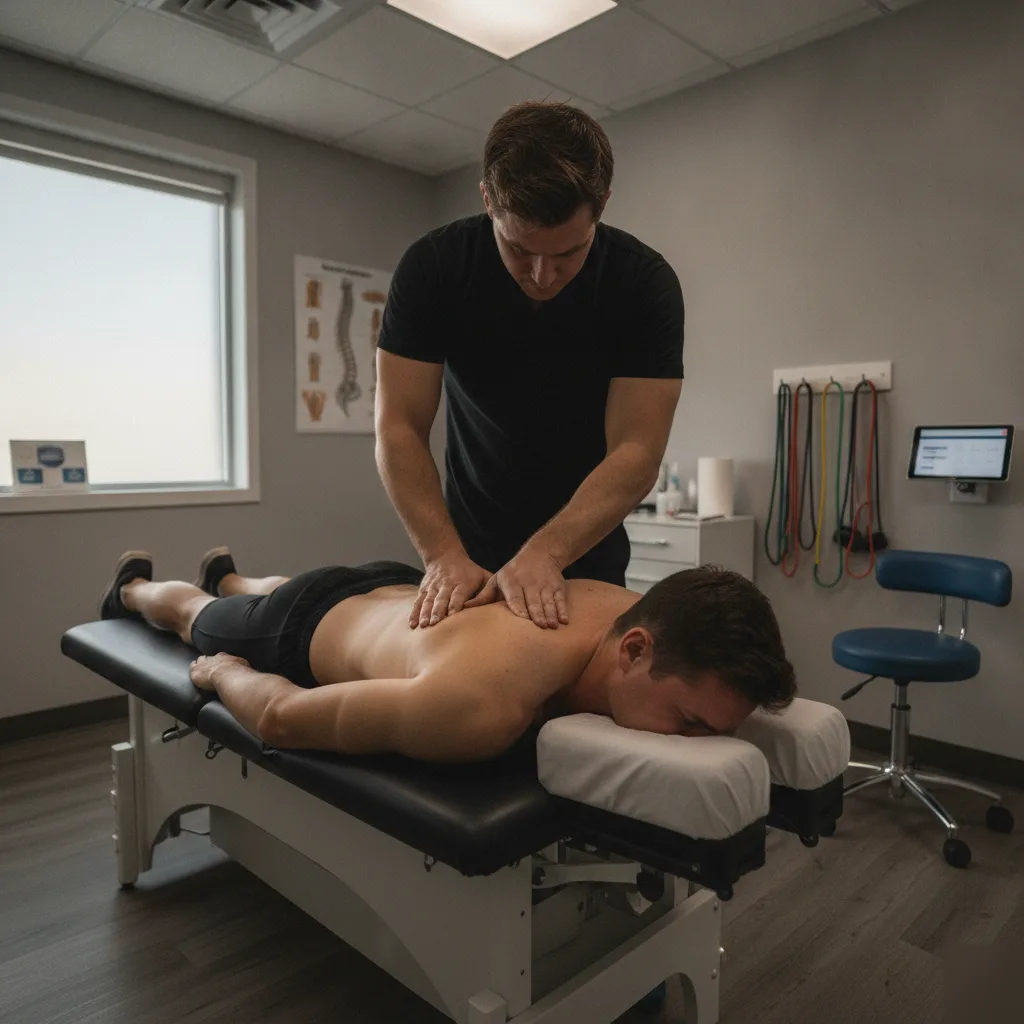
People in Bradley come in thinking their injury is unique. Most of the time it's one of a handful of things we see every week.
Sports injury rehabilitation isn't just for professional athletes. It's for the weekend soccer player who rolled an ankle on Saturday, the high school swimmer who's been ignoring shoulder pain for two months, and the guy who coaches Little League and threw his back out during practice. If your body is hurt doing something active, this is for you.
Here's what we actually treat most often:
- Sprains and strains in the ankles, knees, and wrists
- Rotator cuff injuries and shoulder impingement
- Runner's knee and IT band syndrome
- Shin splints and stress fractures
- Lower back pain from impact or overuse
But the list doesn't stop there. Tendinitis, muscle tears, hip flexor strains, and nerve irritation from repetitive motion all fall under what we handle here. A lot of these injuries build slowly. You feel a twinge, you push through it, and then one day you can't push through it anymore. That's usually when people call us.
We also see a lot of post-surgical rehab. Someone had a procedure done, got cleared by their surgeon, and now needs to actually rebuild strength and movement. That gap between "cleared" and "back to normal" is real, and it's exactly what sports injury rehabilitation is built for.
Not sure if what you're dealing with qualifies? If it hurts when you move and it happened during or after physical activity, it belongs in this conversation. Our team uses tools like shockwave therapy, therapeutic ultrasound, and deep tissue massage to address both the injury itself and the surrounding tissue that's compensating for it. We look at the whole picture, not just the spot that hurts.
How the Rehabilitation Process Works at Our Bradley Clinic
A lot of people come in not knowing what to expect. That's completely fine. We walk every patient through the process from the first visit, so nothing feels like a surprise.
It starts with a thorough assessment. We look at how the injury happened, where you're feeling pain or weakness, and how it's affecting your daily movement. We're not just looking at the spot that hurts — we're looking at what's connected to it, what's compensating for it, and what needs to change for you to heal properly.
Here's how the process generally moves from that first visit forward:
- Initial evaluation — we assess range of motion, strength, and soft tissue damage
- Treatment plan — we map out a realistic timeline based on your specific injury
- Active treatment — sessions may include chiropractic adjustment, dry needling, shockwave therapy, or therapeutic ultrasound depending on what your body needs
- Progressive loading — we gradually reintroduce movement and stress to the injured area
- Functional testing — we confirm you're moving well and the injury is stable before clearing you
We see this every week: someone comes in after pushing through pain for months, thinking it'll just go away. By the time they're here, the original injury has caused secondary problems. Starting the process sooner almost always means a shorter recovery.
For athletes in Bradley, especially those training hard through the summer or competing in fall leagues, timing matters a lot. We try to build your plan around your schedule, not just a textbook timeline.
And yes, some sessions are uncomfortable. We won't pretend otherwise. But our team explains what we're doing and why at every step. You're never just lying on a table wondering what's happening.
Our licensed providers bring years of hands-on experience with sports injuries. This isn't general wellness care, it's targeted rehabilitation work. If you want to see the full range of services we use to support recovery, explore all of our services from our chiropractic team.
The goal isn't just to get you out of pain. It's to get you back to doing what you love, without fear of the same injury coming back.
Not sure if your injury needs professional rehab? Call us — a quick assessment tells you exactly where you stand.
BOOK YOUR APPOINTMENTAdvanced Modalities That Speed Up Soft Tissue Recovery
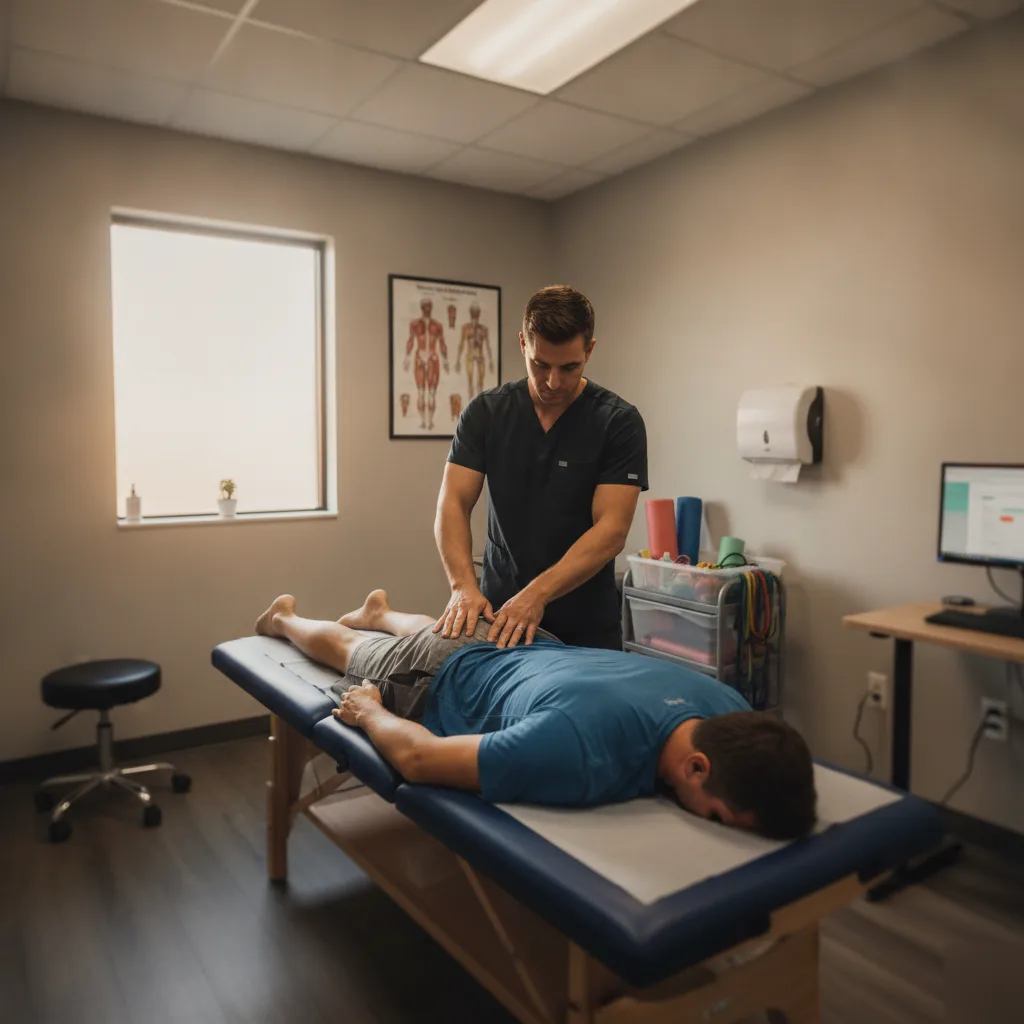
Rest alone doesn't heal most sports injuries. We see this every week — athletes who took two weeks off, came back too soon, and ended up right back where they started. The tissue healed on the surface but never really recovered underneath.
That's where the right tools make a real difference. Our team uses several advanced modalities because they work on soft tissue at a level that rest and basic stretching can't reach. In Bradley, we work with everyone from weekend runners to competitive athletes, and the approach changes based on what the tissue actually needs.
What We Use and Why It Works
Here are the main modalities we bring in for soft tissue recovery:
- Shockwave therapy — sends acoustic waves into stubborn, chronic tissue to break up scar buildup and kick-start healing
- Therapeutic ultrasound — uses sound waves to warm tissue deep below the skin, improving circulation and reducing stiffness
- TENS and electrical muscle stimulation — interrupts pain signals and gets dormant muscle fibers firing again
- Radiofrequency therapy — targets deeper layers of tissue to reduce inflammation and support nerve recovery
These aren't gimmicks. Each one has a specific job, and we match the tool to the injury — not the other way around.
Shockwave therapy tends to work especially well for tendon injuries that just won't budge: plantar fasciitis, Achilles problems, rotator cuff irritation. The tissue has been stuck in a low-grade inflammatory cycle, and shockwave breaks that cycle. Most people in Bradley notice a real shift within three to five sessions.
Deep tissue massage fits right alongside these modalities. When we're working a hamstring strain or a tight IT band, targeted manual work releases the adhesions that keep you guarded and compensating. Myofascial release and trigger point therapy go even further, addressing the patterns that built up around the original injury site.
No single modality does everything. The reason our approach works is because we layer these tools based on where you are in recovery — not a template, just what your body actually needs right now.
Why Waiting to Treat a Sports Injury Costs You More Time
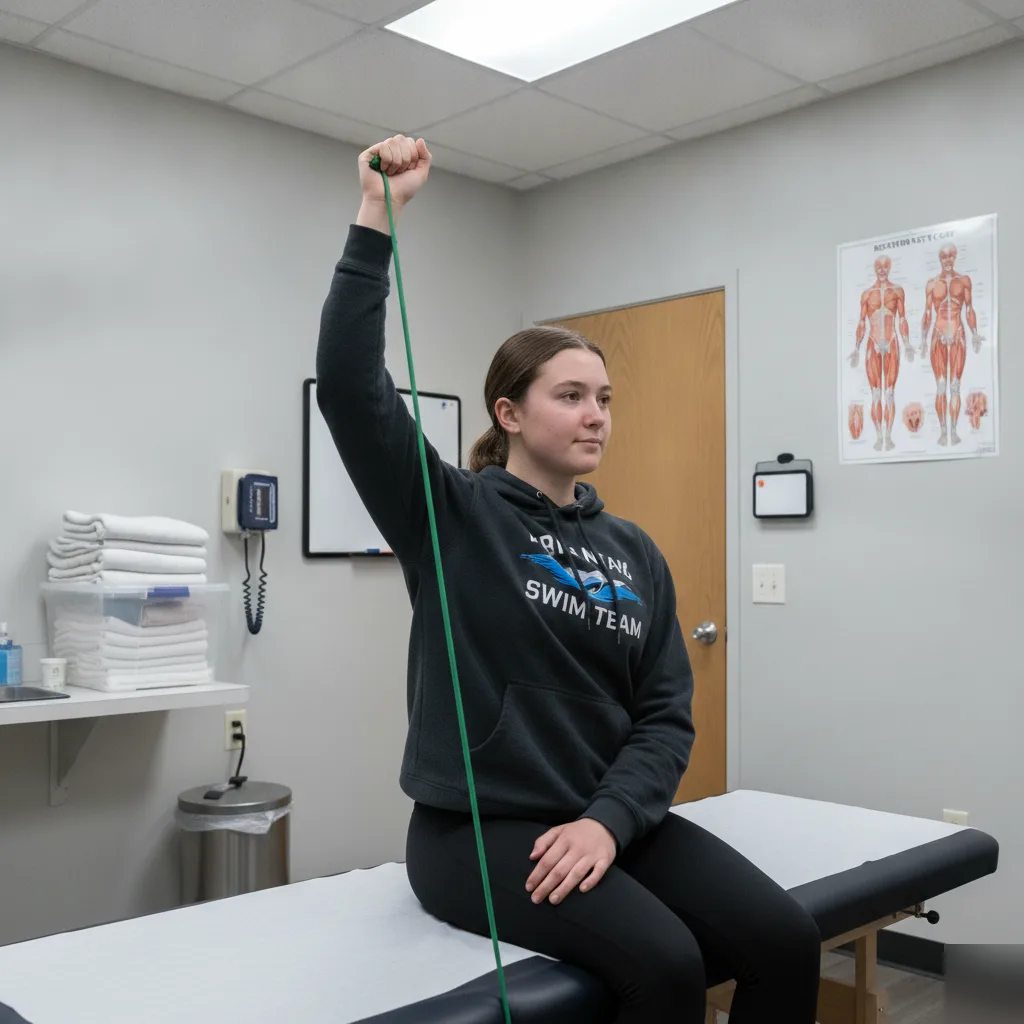
We see it constantly. Someone rolls an ankle at a rec league game, figures it'll feel better in a few days, and shows up six weeks later barely able to walk. What started as a minor sprain turned into something that needed twice the work to address.
Here's the hard truth: your body doesn't pause while you wait. It keeps moving, compensating, and adapting around the injury. And those compensations create new problems on top of the original one.
When tissue is damaged and left alone, a few things happen that make recovery harder:
- Scar tissue forms quickly and stiffens the area
- Surrounding muscles tighten to "protect" the injured spot
- Your movement patterns shift to avoid pain, stressing other joints
- Inflammation that could've been managed early becomes chronic
None of that is inevitable. But it becomes likely the longer you sit on it.
Athletes and active people in Bradley often push through because they don't want to lose fitness or miss games. That's understandable. But playing through pain without knowing what's actually wrong is a gamble, and most people lose that bet.
According to the American Physical Therapy Association, early intervention after a musculoskeletal injury typically leads to faster return-to-sport timelines and lower risk of re-injury [1]. We've watched that play out firsthand with patients who came in early versus those who waited months.
Not sure if your injury is "bad enough" to treat? That's one of the most common things we hear — and that question itself is a reason to come in. A quick assessment tells you exactly where you stand, so you're not guessing. Getting evaluated early doesn't mean you're committing to a long treatment plan. Sometimes it means we clear you and send you back out there with confidence. But if something does need attention, catching it now keeps the recovery short and the setback smaller.
Don't let a week of waiting turn into a month of recovery. Our Bradley team is ready to assess your injury and build a plan.
☎ (815) 802-0377Returning to Sport Safely After a Bradley-Area Injury
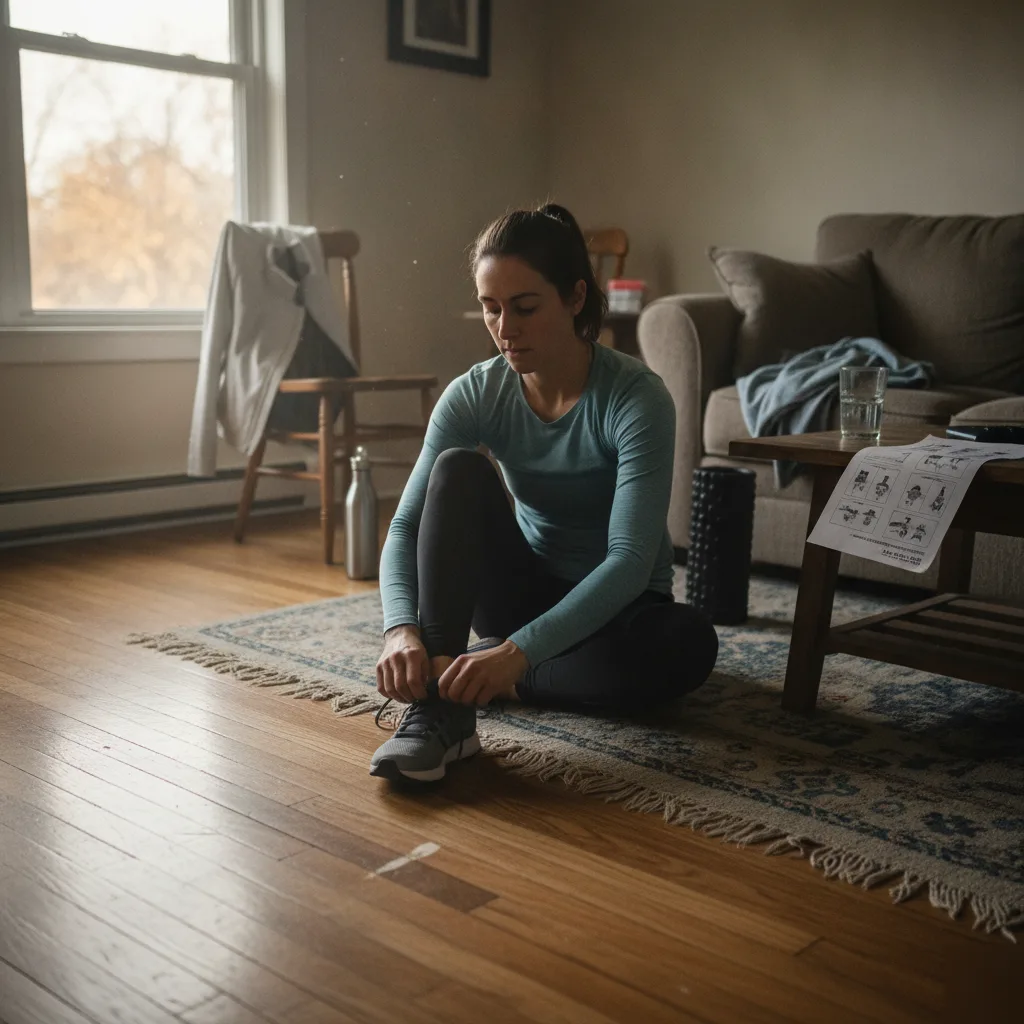
Getting back on the field is the goal. But getting back too soon is how a minor injury becomes a major one.
We see it constantly here in Bradley. An athlete feels better after a week or two, jumps back into practice, and ends up right back in our office with something worse than what they started with. The pain fading doesn't mean the tissue is healed. Those are two very different things, and mixing them up costs athletes weeks of recovery time.
Our return-to-sport process isn't just about how you feel. It's about how your body actually performs under load. We test movement patterns, strength balance, and joint stability before we ever clear someone to compete. A shoulder that feels fine during a walk-around might buckle under a throw. A knee that doesn't hurt at rest might collapse on a lateral cut.
What a Safe Return Actually Looks Like
We walk every patient through a progression that builds confidence without gambling with re-injury:
- Pain-free range of motion confirmed at rest and under light movement
- Strength testing on both sides to check for imbalances
- Sport-specific movement drills at low intensity
- Gradual load increase over several sessions while we monitor response
- Full-speed activity clearance once all benchmarks are met
That last step matters. Clearance isn't a guess — it's earned through the work done in every step before it.
For athletes in the Bourbonnais area training at competitive levels, we also factor in your actual sport demands. A cross-country runner returns differently than a football lineman. A swimmer's shoulder rehab looks nothing like a baseball pitcher's. We build the return plan around what your sport actually asks of your body.
The mental side is real too. A lot of athletes come in physically ready but hesitant to trust the injured area. We work through that. Confidence in movement is part of the recovery, not separate from it.
If you've been cleared by a doctor but still don't feel right, that's worth a conversation. Bradley athletes deserve to come back strong, not just back.
Citations
[1] American Physical Therapy Association. "Sports Physical Therapy." https://www.choosept.com/why-physical-therapy/specialty-areas-physical-therapy/sports-physical-therapy
Frequently Asked Questions
Common questions about sports injury rehabilitation from our patients in Bradley and the Kankakee area.
How long does sports injury rehabilitation usually take in Bradley?
Most people in Bradley see real progress within four to eight weeks, depending on the injury. A fresh ankle sprain heals faster than a rotator cuff problem that's been ignored for months. The longer you wait to start, the more secondary problems build up around the original injury. That's the pattern we see most often. Starting sooner almost always shortens your total recovery time and gets you back to your sport faster.
Do I need a referral to start sports injury rehabilitation at your Bradley clinic?
No referral is needed to book your first visit at our Bradley clinic. You can call or schedule directly. Many patients come in on their own after a weekend game or a training session that went wrong. If you've already had surgery and your surgeon cleared you, that's enough. Bring any imaging or surgical notes you have — they help us build a better plan from day one.
What should I bring or wear to my first sports rehab appointment?
Wear comfortable clothes that give us easy access to the injured area. If your knee or shoulder is the problem, shorts or a loose tank top make the assessment much easier. Bring any X-rays, MRI results, or notes from a previous provider if you have them. You don't need to bring anything special — just show up ready to move and answer questions about how the injury happened and what makes it worse.
Can sports injury rehabilitation help with an old injury that never fully healed?
Yes, and this is one of the most common situations we treat in Bradley. A lot of people come in with injuries that happened months or even years ago. The original pain faded, but the tissue never fully recovered. Modalities like shockwave therapy are especially effective here because they break up scar buildup in tissue that's been stuck in a low-grade inflammatory cycle. Old injuries respond well when you address what's actually happening in the tissue.
Is sports injury rehab only for serious or competitive athletes in Bradley?
Not at all. Most of our patients in Bradley are recreational athletes — weekend soccer players, Little League coaches, swimmers, and runners. If your body got hurt during physical activity, sports injury rehabilitation applies to you. You don't need to compete at any level to benefit from a structured recovery plan. The tools and approach are the same whether you're training for a race or just trying to get back to your Saturday morning run without pain.
What happens after my injury is treated — how do I keep it from coming back?
Before we clear you, we run functional testing to confirm the injured area is stable and moving correctly. Then we walk you through a maintenance plan built around your activity level and sport. For Bradley athletes training through summer heat or competing in fall leagues, that plan accounts for your schedule and workload. The goal isn't just pain relief — it's making sure the same injury doesn't sideline you again six weeks later.
Your Sport Is Waiting. So Is Your Recovery Plan.
Every week you push through pain is another week your body builds compensation patterns that make recovery harder. Serenity Health & Body is right here in Bradley — get assessed, get a plan, and get back to what you love.
Office: 535 E. North St., Suite A, Bradley, IL 60915
Call 815-614-3073
Email: [email protected]
Site: www.tryserenity.com