
Sports Massage in Bradley, IL | Serenity Health & Body
Targeted muscle therapy for faster recovery, less soreness, and better movement — whether you train hard or just work hard.
What Sports Massage Actually Does for Your Muscles
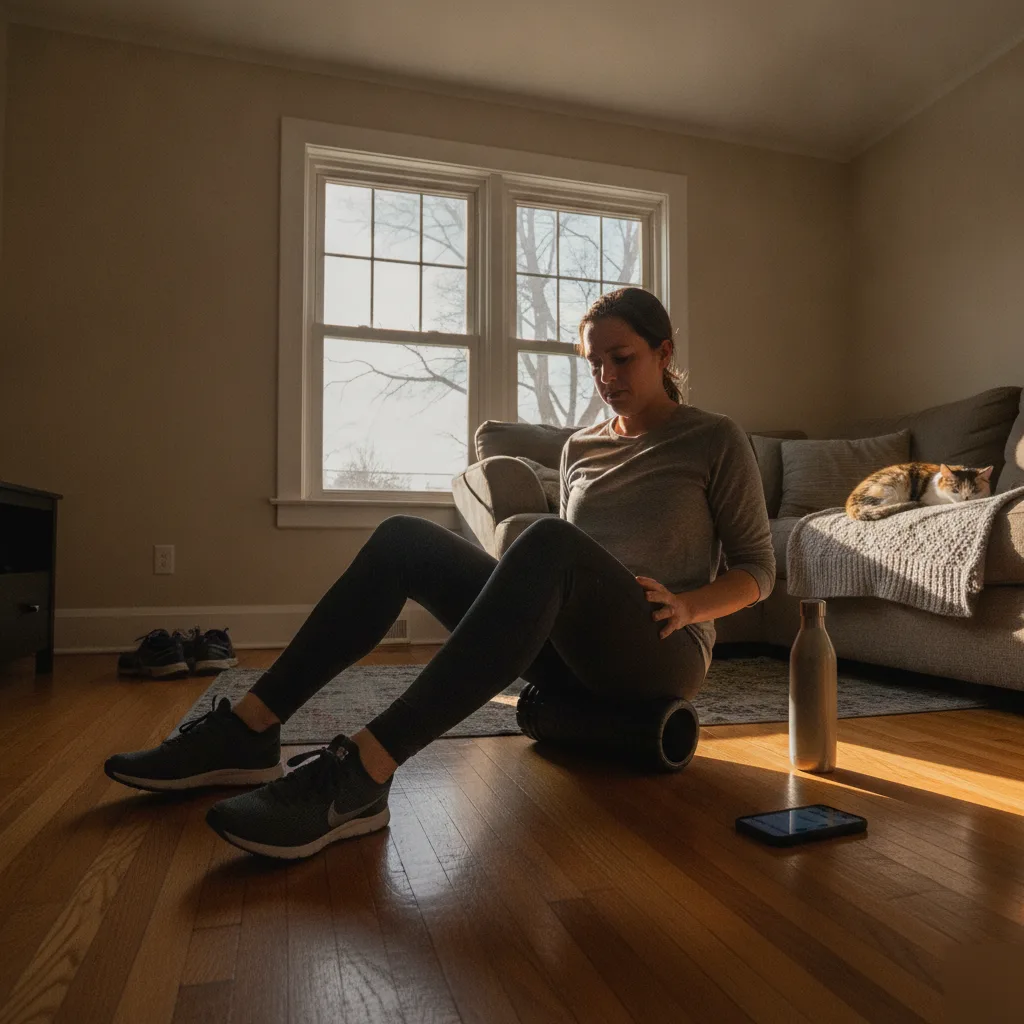
Sports massage isn't just rubbing sore muscles. It's targeted, deliberate work that changes how your tissue actually functions.
Here's what we see constantly in Bradley. Someone pushes hard at the gym, on the field, or during a long run. The next day, their legs feel like concrete. That's not just soreness — that's your muscle fibers tightening up, waste products building in the tissue, and circulation slowing down exactly when your body needs it most. Sports massage addresses all three of those things at once.
The pressure we apply during a session breaks up adhesions. Those are the sticky spots where muscle fibers have bunched together and stopped sliding past each other the way they should. You know that knot in your shoulder that never fully goes away no matter how much you stretch? That's an adhesion. It won't release on its own.
Beyond the tissue work, sports massage increases blood flow to the area. More blood means more oxygen, and more oxygen means faster repair. According to the American Massage Therapy Association, regular massage can reduce delayed onset muscle soreness and improve range of motion in active individuals. We see this every week with clients who come in stiff and walk out moving freely.
There's also a nervous system piece most people don't think about. Tight muscles aren't just a mechanical problem — they're partly a signal problem. Your nervous system is holding that tension. Sports massage helps reset that signal, which is why people often feel lighter after a session even in areas we didn't directly work on.
What we focus on during your session:
- Breaking down adhesions and scar tissue in overworked areas
- Flushing out metabolic waste that slows recovery
- Improving circulation to speed tissue repair
- Reducing muscle guarding that limits your movement
- Calming the nervous system response that keeps muscles locked up
Clients near the River Valley area of Bradley often come in mid-training cycle — not injured, just stuck. Sports massage keeps them moving without losing training time. That's the real value here.
Who Benefits Most from Sports Massage Therapy?
More people than you'd think.
Most folks in Bradley assume sports massage is only for competitive athletes. But we see a much wider range of people on our table every week. Yes, we work with runners, cyclists, and weekend warriors. But we also work with people who've never set foot in a gym and are just dealing with tight muscles from a physically demanding job or a long commute.
Here's who tends to get the most out of sports massage:
- Runners and cyclists training for events or managing overuse soreness
- People recovering from a sports injury who need soft tissue work alongside their rehab
- Construction workers, warehouse staff, and anyone on their feet all day
- Desk workers with tight hips, locked-up shoulders, or chronic neck tension
- Athletes returning to activity after time off and feeling stiff or restricted
The common thread isn't the sport. It's the muscle tension, the restricted movement, the nagging soreness that won't quit on its own.
We also work with a lot of people in Bradley who are training for the first time in years. Maybe you signed up for a 5K or started a new fitness routine. Your body isn't used to that load yet, and sports massage helps your muscles recover faster between sessions. You don't have to be elite. You just have to be moving.
Age matters here too. Older adults who stay active often find that recovery takes longer than it used to. Sports massage helps bridge that gap — keeps the soft tissue supple, reduces that deep post-workout ache, and helps you stay consistent without breaking down.
We've also seen great results with people dealing with conditions like sciatica or a herniated disc, where muscle guarding around the injury creates a whole secondary layer of pain. Sports massage won't replace your treatment plan, but it works well alongside services like chiropractic adjustment or dry needling — meet a member of our team that fits your needs.
Not sure if sports massage is the right fit for your situation? Call us and describe what you're dealing with — we'll point you in the right direction.
BOOK YOUR APPOINTMENTGetting Ready for Your Sports Massage Session
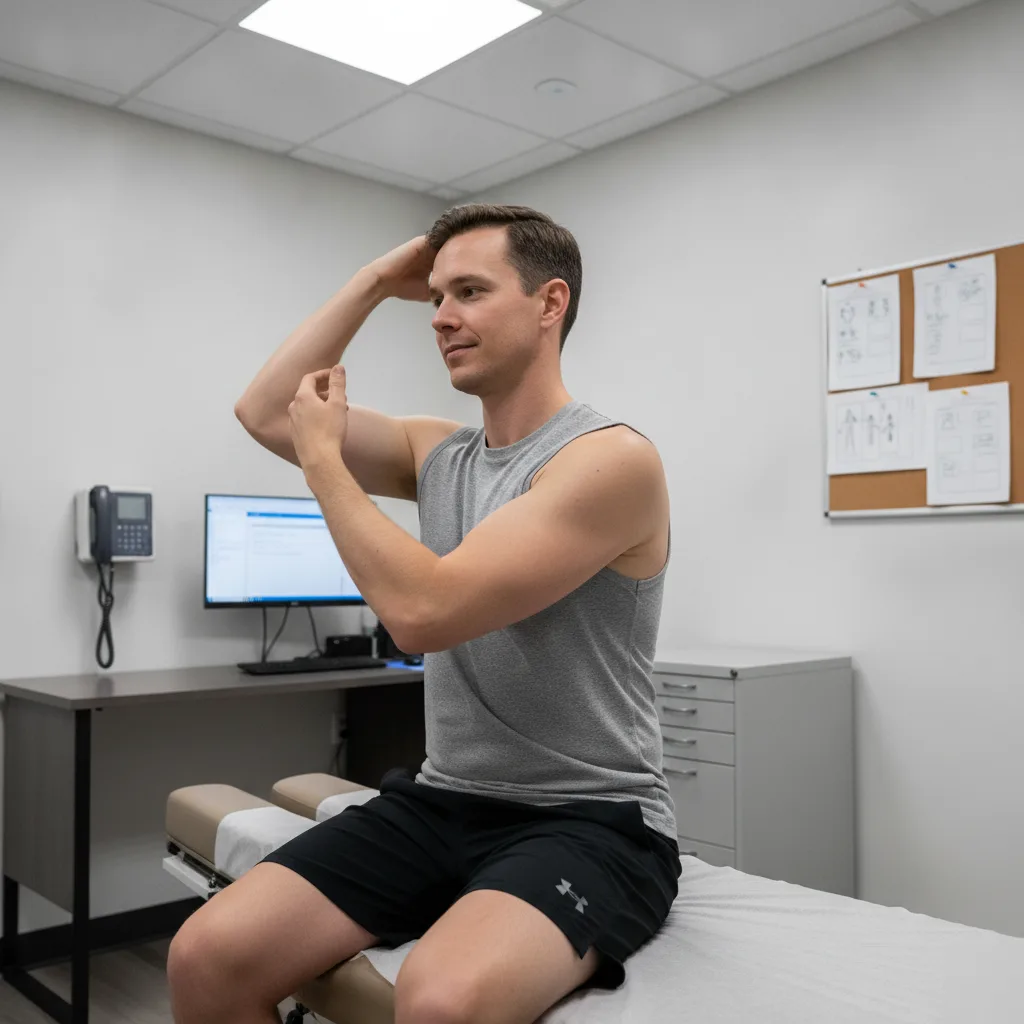
A little prep goes a long way. Most people show up and everything goes smoothly, but there are a few things that'll help you get the most out of your time with us here in Bradley.
Drink water before you come in. Not a gallon, just your normal amount, maybe a little more. Dehydrated muscle tissue is harder to work with, and you'll feel the difference afterward if you skipped it.
Don't eat a big meal right before your session. A light snack is fine, but coming in full makes the work on your abdomen and hip flexors uncomfortable. Give yourself at least 90 minutes after a real meal.
What to Wear and Bring
Wear or bring athletic clothing — shorts, a tank top, compression gear, whatever you train in. We work around clothing when needed, but looser fabric helps us access the areas that actually need attention. Patients coming from north Bradley sometimes arrive straight from a morning run, and that's completely fine.
Here's what we'd suggest having with you:
- A list of any recent injuries, even minor ones you've been ignoring
- Information about any medications that affect your circulation or pain response
- Your training schedule for the week, so we know what's coming up for your body
That last one matters more than people think. We see this constantly — an athlete gets a sports massage two days before a big race and we had no idea. Timing your session right changes everything about how we approach the work.
Arrive five minutes early. Not because we're sticklers about it, but because rushing in stressed undoes some of what we're trying to accomplish. Give yourself a moment to settle.
And if you've had a sports massage before that was painful in a bad way, tell us. There's a difference between productive discomfort and something that's just too much. We adjust. That's part of the job.
Your first session is also a conversation. The more you share about what's going on with your body, the better we can focus on what actually needs work.
Techniques Used During a Sports Massage Session
Every session looks a little different. That's the honest truth about sports massage, and it's what separates it from a standard relaxation massage.
We're not following a script. We're reading your body, listening to what you tell us, and adjusting as we go. A runner coming in from a long training week needs something completely different from a Bradley cyclist dealing with tight hip flexors or a weekend athlete who tweaked a shoulder.
Here are the core techniques we use and what each one actually does:
- Effleurage — long, gliding strokes that warm up the tissue and get blood moving before we go deeper
- Petrissage — kneading and lifting the muscle to break up tension and improve circulation in the deeper layers
- Friction — focused pressure applied across the muscle fiber to break down adhesions and scar tissue
- Compression — rhythmic pressing that helps flush metabolic waste out of fatigued muscles
- Trigger point therapy — sustained pressure on specific knot sites that refer pain to other areas of the body
We almost always start with effleurage. It's not glamorous, but skipping the warm-up and going straight to deep work is one of the biggest mistakes we see. Tissue that's cold and tight doesn't respond well to pressure — it just guards harder.
Friction is where a lot of the real work happens. We use it around the IT band, the rotator cuff, and along the spine where athletes in Bradley tend to hold the most chronic tension. It's not always comfortable, but it's effective.
Trigger point therapy surprises people. You press on a spot in your upper back and suddenly you feel it in your neck. That's a referral pattern — completely normal — and releasing it can resolve pain that didn't seem connected at all.
We also incorporate myofascial release when the connective tissue is the real issue rather than the muscle itself. The two work together, so we treat them together.
Not sure which technique applies to what you're dealing with? That's what the intake conversation is for. We'll figure it out before we ever start the session.
Ready to get moving again? Our team is here to answer questions before you even book your first visit.
☎ (815) 802-0377Recovery Timeline After Your First Sports Massage Session
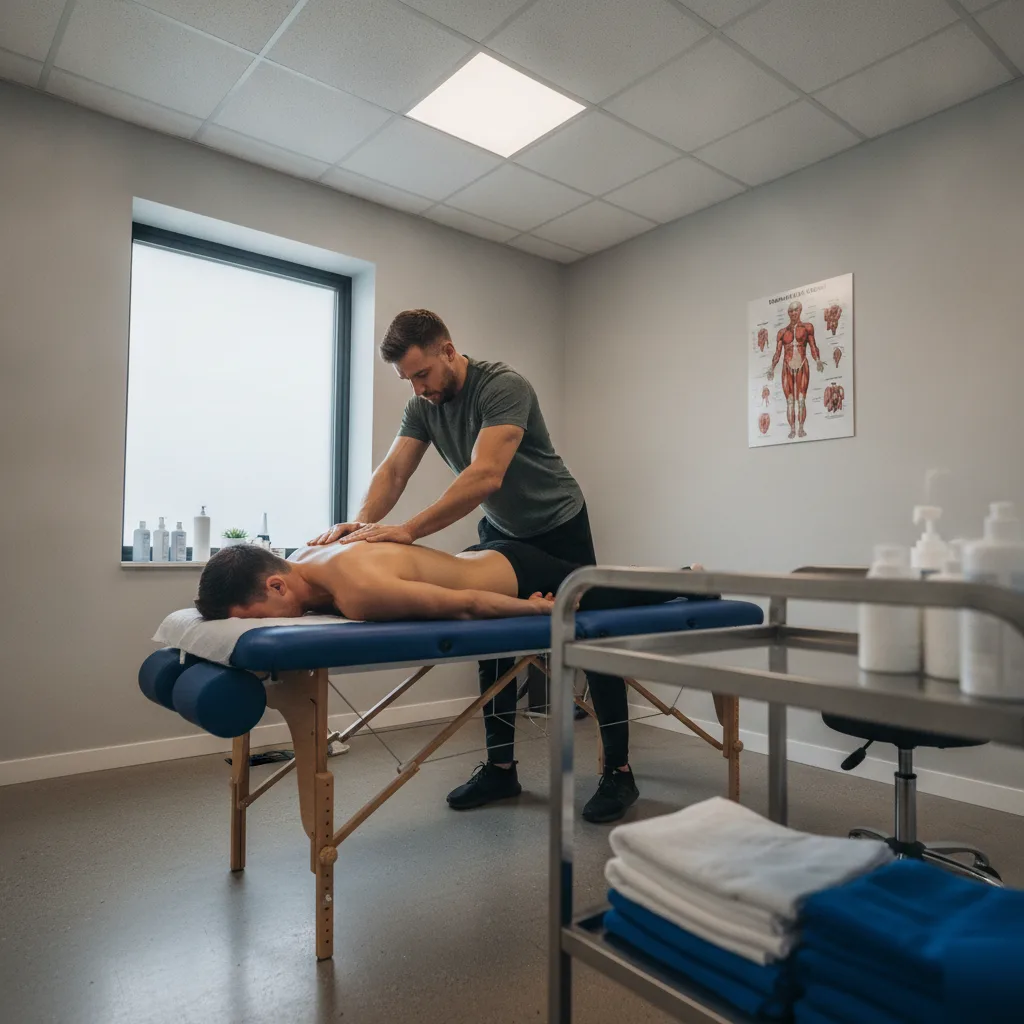
Here's something we tell every new client in Bradley before they get off the table: the hour after your session matters almost as much as the session itself.
Sports massage works by breaking up adhesions, flushing out metabolic waste, and pushing circulation into tissues that have been tight or underworked. That's real physical change happening in your body, and your body needs a little time to catch up with it.
Most people feel great right away — loose, like something finally let go. But some people, especially athletes who came in with a lot of built-up tension, feel a little sore the next morning. That's normal. It's not a sign something went wrong.
Here's a general picture of what to expect:
- First 2 hours: Drink water. A lot of it. Your muscles just released a wave of metabolic byproducts, and hydration helps your body clear them out faster.
- Hours 2 through 24: Mild soreness is common, especially in areas that were heavily worked. Think of it like the day after a tough workout.
- Day 2: Most clients in Bradley notice this is when they actually feel the difference. The soreness fades and the mobility gains kick in.
- Days 3 through 7: This is your window. Move, stretch, and train. Your tissues are more receptive right now, so don't waste it sitting still.
We see this every week with runners from the trails near Limestone Creek Road and cyclists who push hard on the weekends. They come in tight, leave loose, and by Wednesday they're reporting their best split times in months.
According to the American Massage Therapy Association, regular sports massage can reduce delayed onset muscle soreness and improve range of motion over time [1]. One session helps. Consistent sessions build on each other.
If soreness lasts more than 48 hours or feels sharp instead of dull, let us know. That's rare, but we want to hear about it. Our team takes that feedback seriously and will adjust the pressure or technique for your next visit. Find out how with a certified massage therapist.
Rest when your body asks for it. Push when it's ready. That's the rhythm.
Citations
[1] American Massage Therapy Association. "Sports Massage." https://www.amtamassage.org/about/news/sports-massage-press-release/
Frequently Asked Questions
Common questions about sports massage from our patients in Bradley and the Kankakee area.
How is a sports massage different from a regular relaxation massage?
Sports massage uses targeted pressure to break up adhesions and flush out metabolic waste — a regular relaxation massage doesn't do that. The goal isn't just to feel good in the moment. It's to change how your muscle tissue actually functions so you recover faster and move better. If you have a knot that never fully goes away no matter how much you stretch, that's exactly the kind of problem sports massage is built to fix. Relaxation massage won't touch it.
Do I need to be a competitive athlete to book a sports massage in Bradley?
No — most of our clients in Bradley aren't competitive athletes at all. We regularly work with warehouse staff, desk workers, and people just getting back into fitness after years off. If your muscles are tight, your movement feels restricted, or you're dealing with soreness that won't quit, you're a good candidate. The common thread is muscle tension, not a sport. If you just signed up for your first 5K or started a new routine, sports massage helps your body keep up with the new load.
How soon before or after a workout should I schedule my session?
Timing your session matters more than most people realize. Coming in two days before a big race or hard event changes how we approach the entire session — we'd work lighter to avoid leaving your muscles too loose or fatigued. For recovery work, 24 to 48 hours after a hard training day is usually the sweet spot. We see this situation constantly in Bradley, so just tell us what's on your training schedule for the week when you book. That one detail shapes everything.
What should I do to prepare for my first sports massage appointment?
Drink a normal amount of water before you come in, and skip the big meal for at least 90 minutes before your session. Wear athletic clothing — shorts and a tank top work great. Bring a quick mental note of any recent injuries, even minor ones you've been ignoring, and any medications that affect circulation or pain. Clients coming from north Bradley sometimes arrive straight from a morning run, and that's completely fine. Just give yourself five minutes to settle before we start.
Will sports massage help if I'm dealing with something like sciatica or a herniated disc?
Sports massage can help with the secondary muscle guarding that builds up around those kinds of injuries, but it won't replace your treatment plan. When your body protects an injured area, the surrounding muscles lock up and create a whole extra layer of pain. We work on that layer. It pairs well alongside chiropractic adjustment or dry needling. We look at the full picture, not just the spot that hurts. If you're unsure whether it's appropriate for your situation, just call us and we'll talk it through.
How often should I get a sports massage to see lasting results?
It depends on your activity level and what you're trying to achieve. For athletes in active training, every two to four weeks keeps recovery on track and prevents the kind of tension buildup that stalls progress. For someone managing chronic tightness from a demanding job, once a month is often enough to stay ahead of it. One session gives you real relief. Consistent sessions build on each other and produce the lasting changes — better range of motion, faster recovery, fewer flare-ups. We'll help you figure out the right cadence after your first visit.
Your Muscles Have Been Waiting Long Enough
Soreness that won't quit, movement that feels off, recovery that's taking longer than it should — these aren't things you just live with. Serenity Health & Body is right here in Bradley, and we're ready to get to work.
Office: 535 E. North St., Suite A, Bradley, IL 60915
Call 815-614-3073
Email: [email protected]
Site: www.tryserenity.com